ISO what is it?

In two past posts Aperture and Shutter Speed were the subjects.

The subject for this post is ISO which is the third factor in controlling and setting the desired exposure.

What do the ISO i.e. 50,100,200,400,800 etc. numbers mean?

Back in the days of film you had to choose a film speed ASA Now ISO.  The number indicated the films rated sensitivity to light. Now in Modern Digital Cameras the roll of film has been replaced by a digital CMOS or CCD Sensor. No more need to change a roll of film to change ISO you simply turn a dial 🙂

In todays digital camera the ISO number indicates the digital sensors sensitivity to light. The  only drawback is that when you increase the ISO you decrease the image quality. This is due to digital noise created by the electronics involved. You could compare this to a sound system, you turn the volume up and at a certain point you will get distortion.

In digital photos the noise will slowly introduce a grainy look, if you zoom into a photo shot at high ISO like ISO 1000 something else happens to. The photo will start to have purple splotchy color cast to it. This is digital noise.

That is the trade off when using ISO to increase your ability to capture a handheld shot in low light conditions. So you should first try adjusting your aperture before going for the ISO increase or simply use a tripod.

With the software of today high ISO images can be less problematic. Noise reduction software from Topaz works fantastic as well as the native noise reduction features in Lightroom and ON1

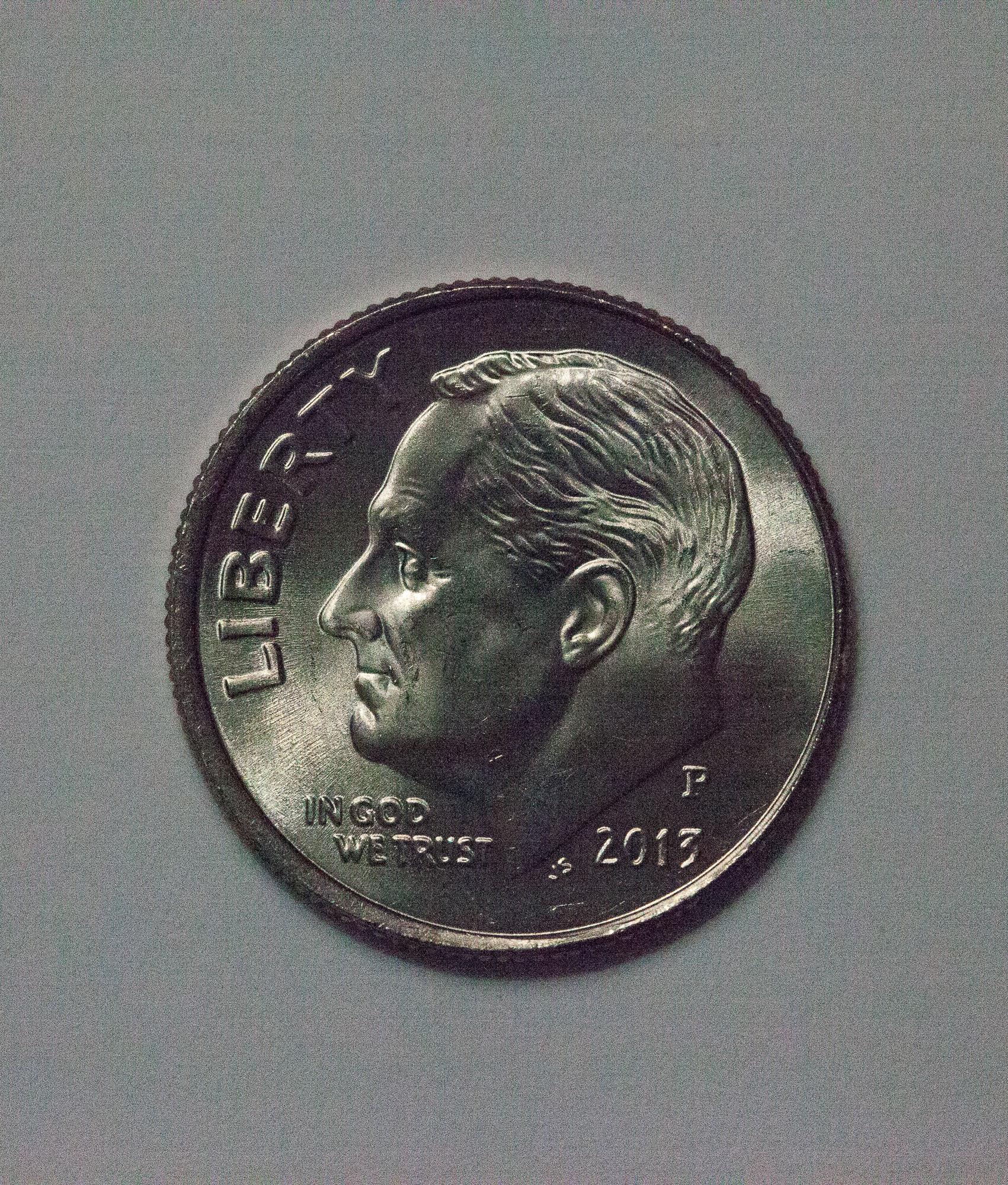
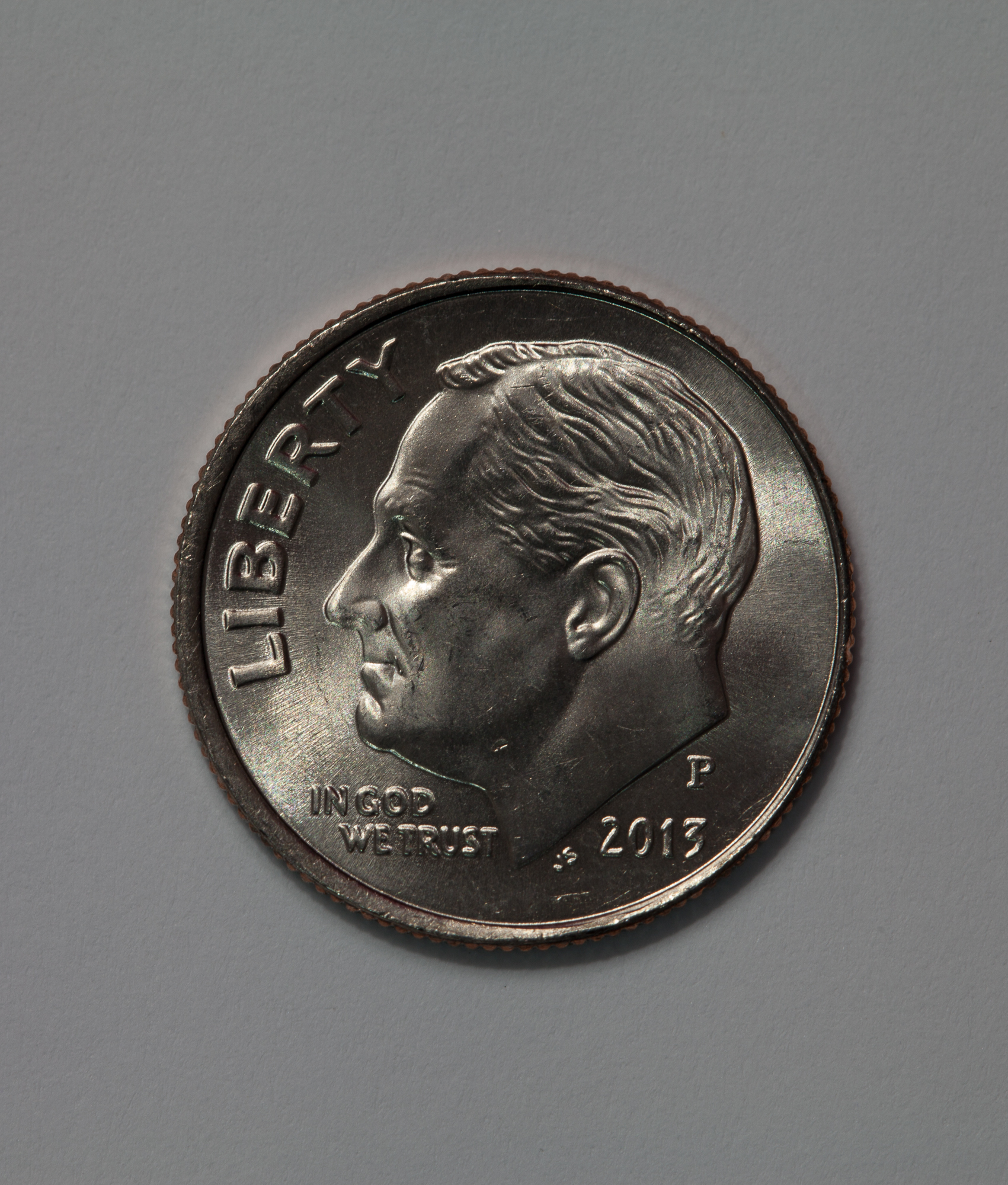
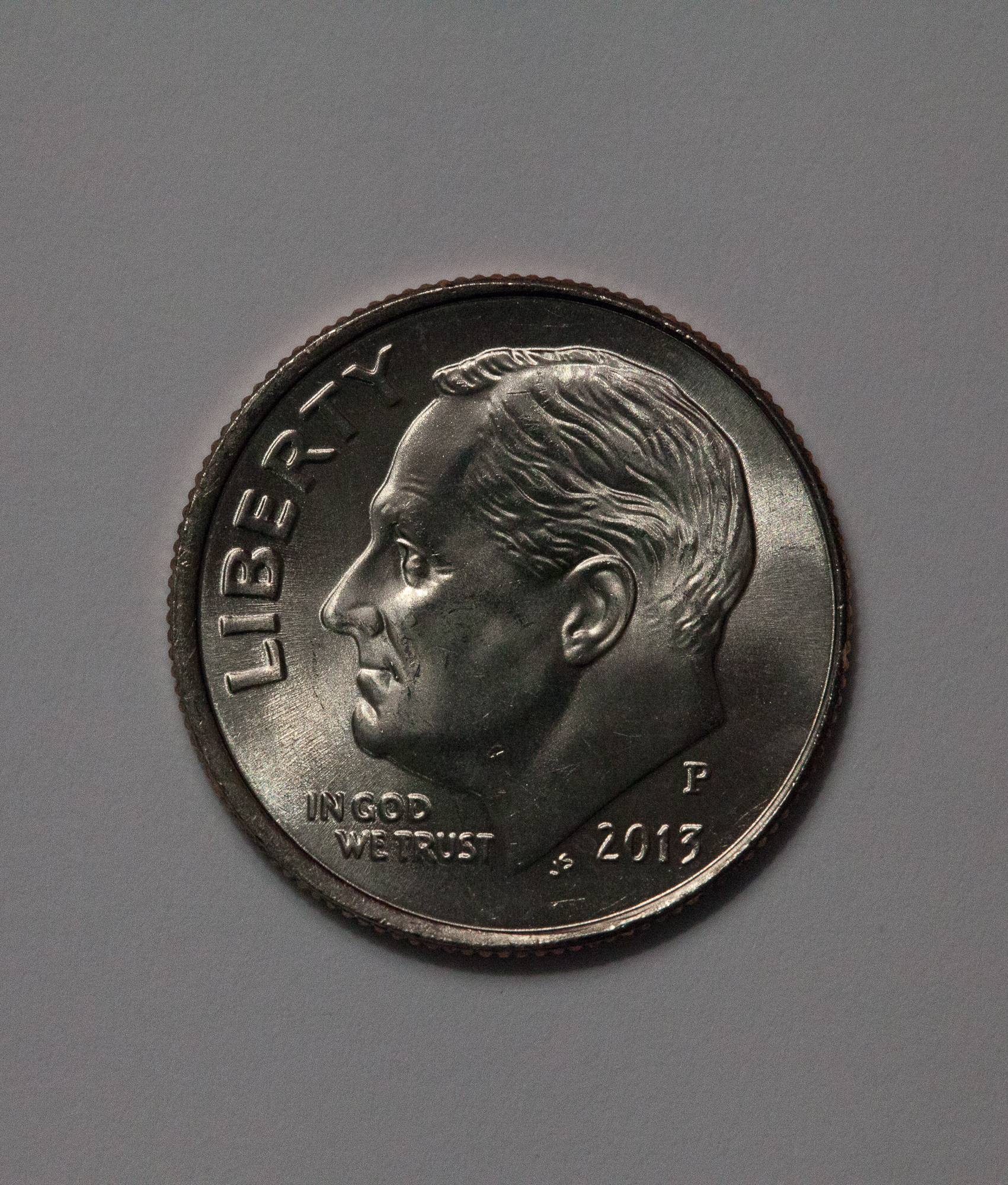
Here image examples one at ISO 50, ISO 6400, ISO 25600 shot with a Canon 5D MII & 100mm F2.8 Macro Lens
ISO 50
ISO 50

ISO 6400

ISO 6400

ISO25600

ISO25600 Grainy and purple/blue cast in the image
Better Gear Better Photos?

Hello LCC members,

It seems like my e-mail lately has been filled with announcements about the newest gear. All of the stuff starts off with the promise of better this or that more features better video etc etc.

But you know what?

Here is the bottom line most every camera on the market today captures high quality images. Why do I say that well it is a fact if Canon,Nikon,Pentax,Sony and the list goes on did not capture great images they would go out of business. That’s right it is a business that has to ride that perpetual circle of more, better and faster.

But, you must ask yourself how much more, better and faster do you really need?

The camera is just a tool like a paintbrush and it is your hands, eyes and brain that make it work. My point here is that in my opinion you are much better off to invest your additional $$$ in books, photo work shops, classes or post processing software.

Much of what I have learned up to this point has been from books and attending photo work shops and various classes.

Some helpful books I can suggest are:

All books by Bryan Peterson many of which are available at the Palm Beach County Library. His books are written in an easy to understand format without getting too technical.

For Black & White photo techniques and processing I can recommend From Oz to Kansas: Almost Every Black and White Conversion Technique Known to Man by Vincent Versace

Books by Scott Kelby are great sources for knowledge and techniques.

Books by Nicole S Young are inspirational and have great tips on improving your photography.

There are lots more great books these are just a few that have been helpful to me in my photographic journey.

” it’s more than just the gear it is also what’s between your ears that can make a great difference in your photography”

~Steve

The Humble and Sometimes Forgotten 50mm f1.8 prime lens

Hello LCC members,

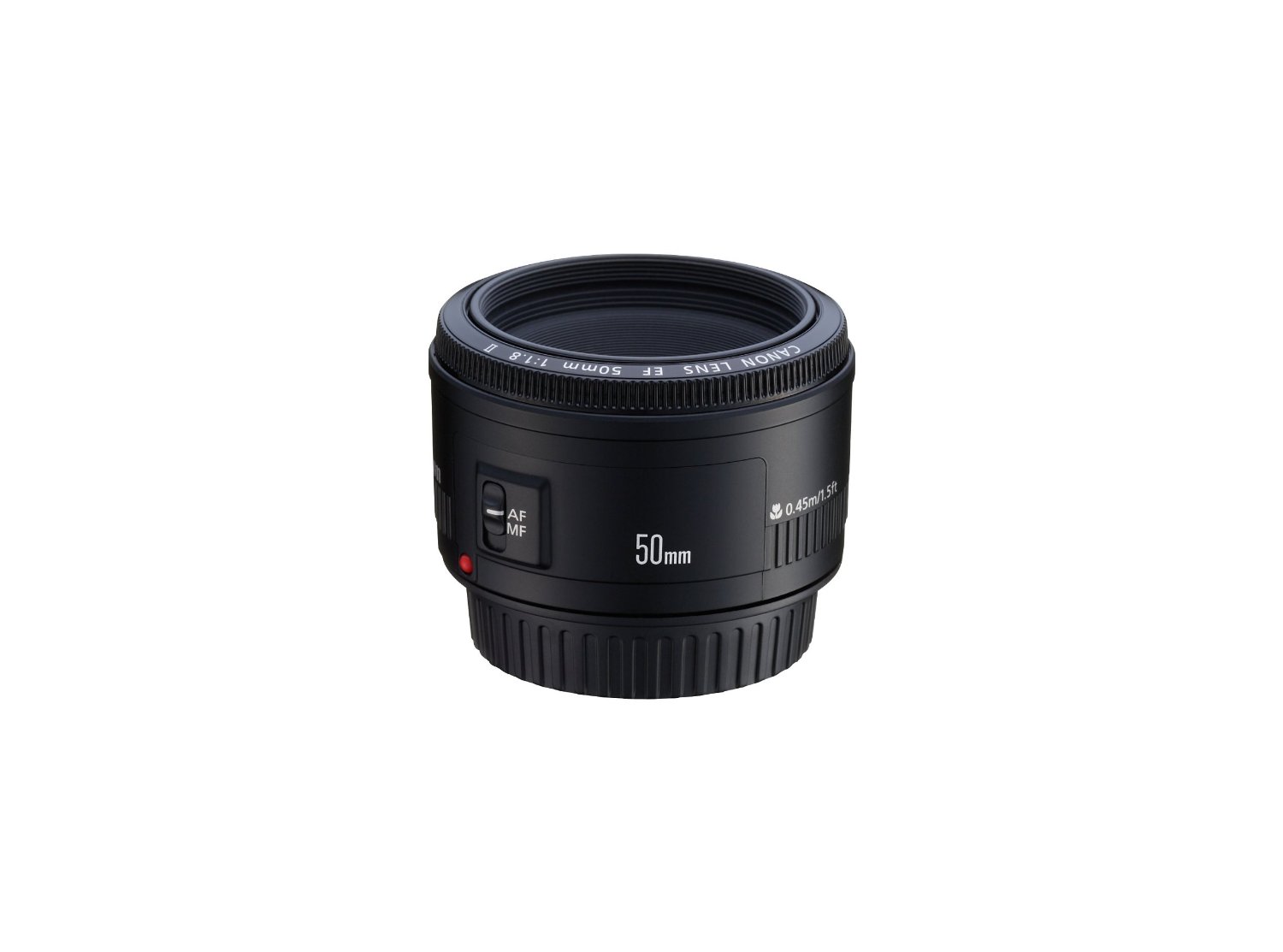
The humble and sometimes forgotten 50mm f1.8 prime lens is something every photographer should have in their camera bag. Why, well for two reasons it is a fast lens at f1.8 and there are very inexpensive.

The Canon 50mm f1.8 goes for about $125.00 it has been jokingly called the “plastic fantastic” as the housing is made of cheap feeling plastic. I have one and it works great!

canon 50mm

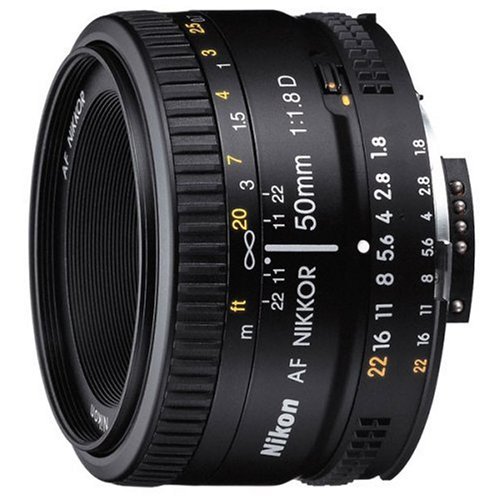
For all who shoot with Nikon cameras they also have a version of this 50mm f1.8 lens. It sells for about $105.00

Nikon 50mm

It is great to have one of these in your bag for low-light situations. The best part, they are very light-weight. The Canon Lens weighs in at 4.6 Oz. and the Nikon weighs in at 5.44 Oz. The 50mm is also great for street photography because of the small size and that fast f1.8 aperture. They also produce some nice Bokeh

In photography, bokeh is the aesthetic quality of the blur produced in the out-of-focus parts of an image produced by a lens.  Bokeh has been defined as “the way the lens renders out-of-focus points of light”.

The other effect you get at large aperture settings f1,f1.8, f2.0, f2.8  is isolation of a single subject in an image or you could call it a small slice of sharp focus.

Here are some example images, the photos were shot handheld, camera used was Canon 5D MII, aperture range of  f1.8 – f5

Feel free to leave questions and comments.

-Steve