Member submitted images for January 2026 theme Architecture
2026 January ARCHITECTURE SLIDESHOW
Reply

Member submitted images for January 2026 theme Architecture
We have had a few members asking about this subject.
Here’s a comprehensive breakdown of the pros and cons of mirrorless camera systems versus DSLR camera systems, helpful for photographers of all levels:
| Feature | Mirrorless | DSLR |
|---|---|---|
| Portability | ✅ Excellent | ❌ Bulky |
| Battery Life | ❌ Shorter | ✅ Longer |
| Autofocus (Live View/Video) | ✅ Faster | ❌ Slower |
| Optical Viewfinder | ❌ No | ✅ Yes |
| Innovation & Features | ✅ Cutting-edge | ❌ Aging tech |
| Lens Ecosystem | ❌ Growing | ✅ Mature |
| Price (Body + Lenses) | ❌ Often Higher | ✅ Often Lower |
| Beginner Friendliness | ✅ Easier to Learn Exposure | ⚖️ Depends |
If you’re choosing between them:

Subscribe to get access to the rest of this post and other subscriber-only content.
REMINDER – we have our February Club meeting in a few days — on TUESDAY, February 11, at 6:00 p.m. at the North Palm Beach Public Library. Please remember to bring your dues for this year. $30 for individuals and $50 for a couple. Please make checks payable to Lighthouse Camera Club. $ $ $ $ $ $ $ $ $
The THEME for this month is “Frame within a frame Photography”, or FWF. The Photo at Left is a sample of the theme for our meeting. Your F-W-F themed images are due to Jeff Ornstein by Sunday, February 9, (THIS Sunday!) at 8:00 pm. You can send up to ten images at 72 dpi with the long side at 1200 pixels . Do not forget to look at our ‘Alter images’, attached to this email, and sent previously! for which we invite you to be creative and alter away. Send your experiments to Jeff by Sunday.
For some tips on Frame within a Frame Photography – take a look at this link:
In two past posts Aperture and Shutter Speed were the subjects.
The subject for this post is ISO which is the third factor in controlling and setting the desired exposure.
What do the ISO i.e. 50,100,200,400,800 etc. numbers mean?
Back in the days of film you had to choose a film speed ASA Now ISO. The number indicated the films rated sensitivity to light. Now in Modern Digital Cameras the roll of film has been replaced by a digital CMOS or CCD Sensor. No more need to change a roll of film to change ISO you simply turn a dial 🙂
In todays digital camera the ISO number indicates the digital sensors sensitivity to light. The only drawback is that when you increase the ISO you decrease the image quality. This is due to digital noise created by the electronics involved. You could compare this to a sound system, you turn the volume up and at a certain point you will get distortion.
In digital photos the noise will slowly introduce a grainy look, if you zoom into a photo shot at high ISO like ISO 1000 something else happens to. The photo will start to have purple splotchy color cast to it. This is digital noise.
That is the trade off when using ISO to increase your ability to capture a handheld shot in low light conditions. So you should first try adjusting your aperture before going for the ISO increase or simply use a tripod.
With the software of today high ISO images can be less problematic. Noise reduction software from Topaz works fantastic as well as the native noise reduction features in Lightroom and ON1
Here image examples one at ISO 50, ISO 6400, ISO 25600 shot with a Canon 5D MII & 100mm F2.8 Macro Lens
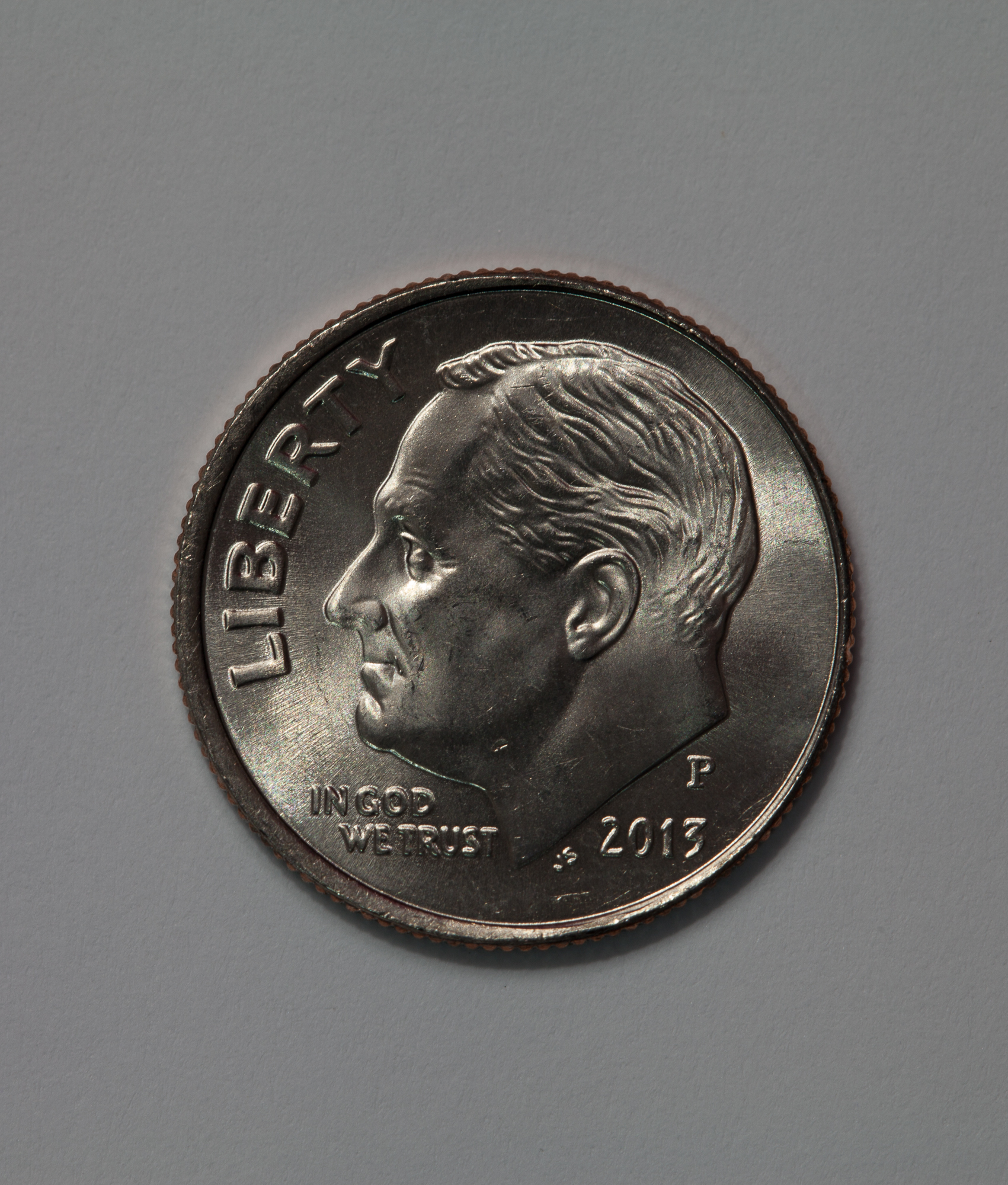
ISO 50
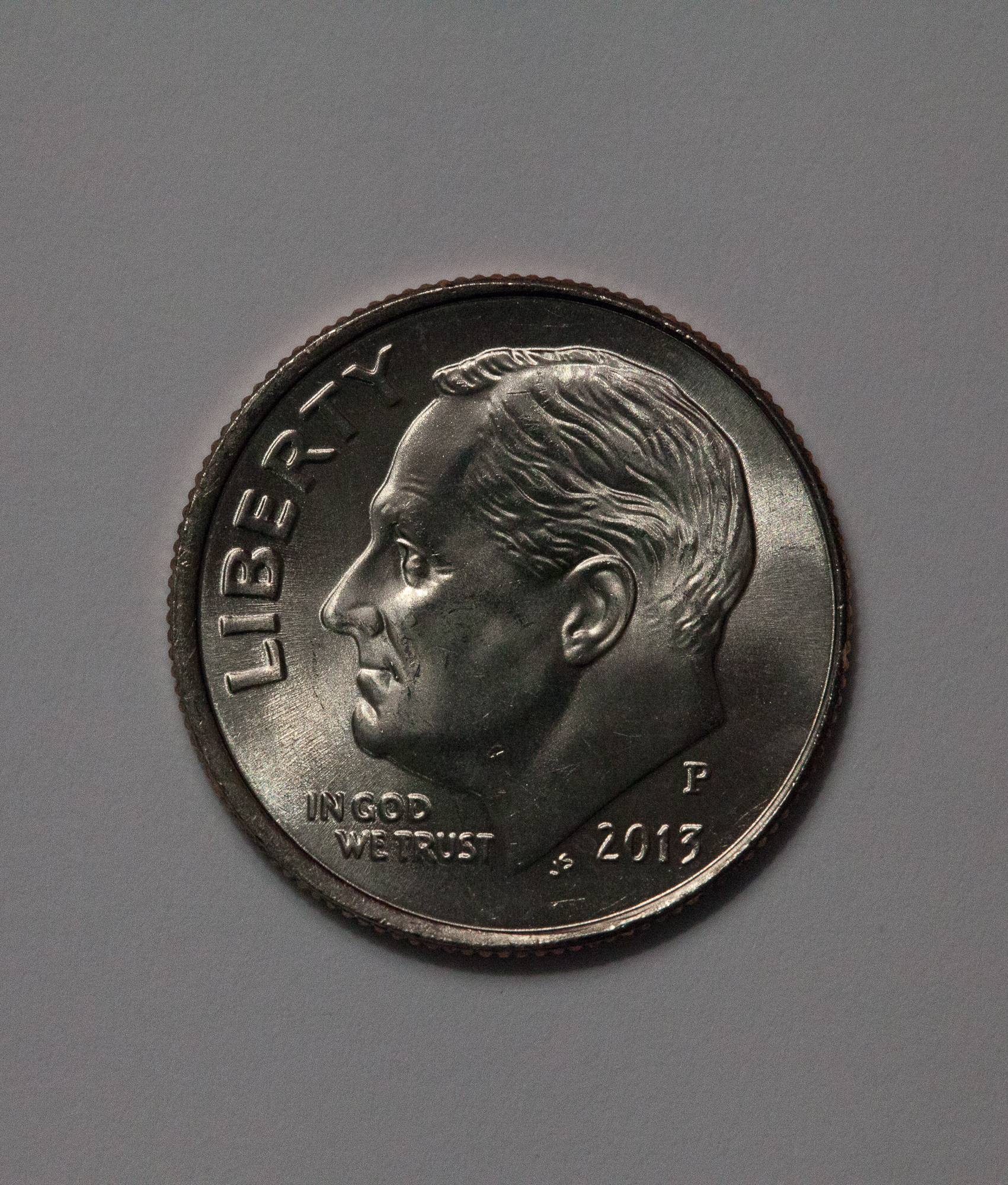
ISO 6400
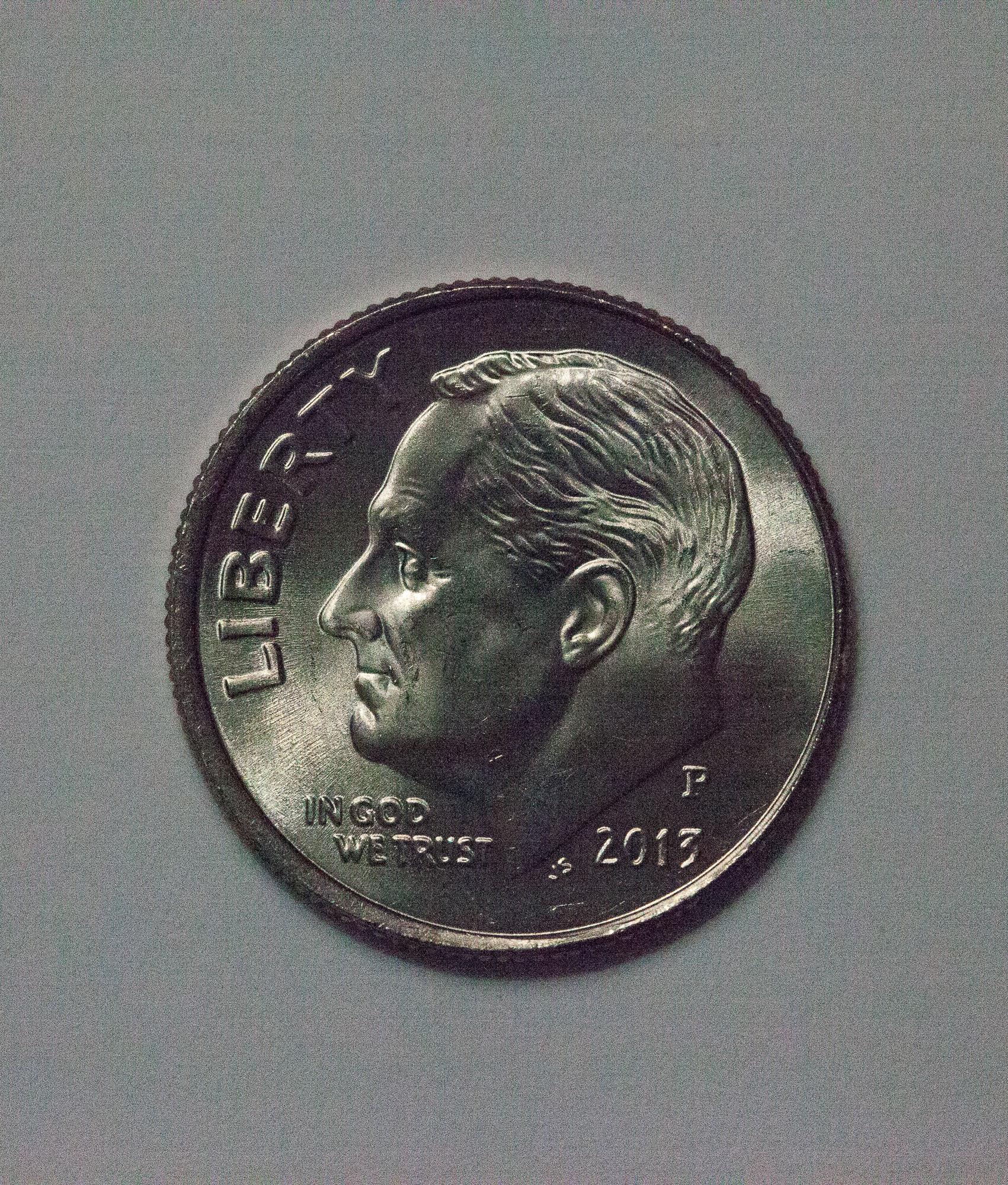
ISO25600 Grainy and purple/blue cast in the image
We have a speaker on Wednesday, January 18, at 6:00 pm at NPB Library, so please attend. The speaker is DAN FRANKIAN, who is a falconer and works with Busch Wildlife, as well as his own business, to train birds of prey.

He is also an expert photographer with great stories about his adventures. He will be bringing an owl with him, so bring your cameras. Here is a link to find information about Dan’s business in Canada and his website, www.Hawekeye.ca. . https://www.hawkeye.ca/dan-frankian-biography
NOTE: To participate in LCC Club events you must have a valid club membership.
How to Join the Lighthouse Camera Club
__________________________________________________________________________
Also – we need a few photographers at the Hot Cars and Chili festival on January 28 at Anchorage Park.

The event starts around noon, and the Village Recreations Department wants some specific photos from our group for their newsletter. If you can make it from 12 until around 4:30 (the awards photos will be taken at 3:30), please let Dina know (LitigatorBarbie@comcast.net) and she will provide further instructions on the types of photos they want.
We will attempt to include a slideshow of the pictures you Car Photographers will take at the show at our February meeting, along with the Doors, Gates, and Windows (the February theme). (Car windows could be rather interesting as well. )
For the members that were unable to attend last night here is the slideshow of member submitted images.
 Lighthouse Camera Club